
Travel and Visa Systems: Your First Gate
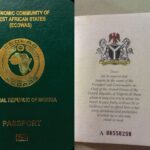
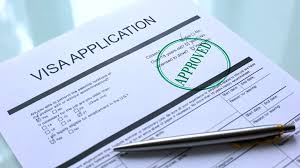
The process of relocating to a new country begins with understanding the travel and visa systems in place. Visa power plays a critical role in determining your ability to enter and reside in a foreign nation. Essentially, visa power refers to the privileges granted by specific visa types, including duration of stay, work permissions, and travel freedom. For those considering a new beginning abroad, it is essential to navigate these systems effectively.
One of the most significant frameworks governing international travel is the Schengen Area, a consortium of 26 European countries that have abolished passport control at their shared borders. The Schengen agreement facilitates easier and more flexible travel within member states, allowing individuals to move effortlessly across various nations. For those looking to explore their opportunities in Europe, understanding the implications of the Schengen visa offers a wealth of benefits.
Countries aspiring to join the Schengen Zone must meet the following criteria that foster security, cooperation, and trust among member states. These criteria emphasize the importance of comprehensive background checks, robust border control measures, and effective information sharing between countries. Such rigorous processes ensure not only the safety of citizens but also enhance the overall effectiveness of the visa system.
Furthermore, strong travel and visa systems contribute significantly to long-term advantages, including the capacity to explore multiple countries with ease. For individuals eager to expand their network, the opportunity to connect with various cultures and communities further enriches the experience of relocation. Additionally, a well-functioning travel system can lead to reduced travel costs, as streamlined processes encourage tourism and business exchanges across borders.
Economy and Development: Where Will You Grow?
When considering a new country for relocation, the economic landscape plays a crucial role in determining your opportunities for personal growth. A strong economy is characterized by various factors that contribute to the overall quality of life, including job availability, salary levels, cost of living, and infrastructure. Each of these elements can significantly influence your professional trajectory and personal fulfillment in a new environment.
Job availability is a primary consideration, as it directly impacts your ability to find employment in your field. Countries that demonstrate low unemployment rates not only reflect a healthy economy but also suggest a vibrant job market. Therefore, exploring various sectors and industries that are thriving in potential host countries can be vital for increasing your chances of securing a suitable position.
Equally important is the factor of salary levels. It is not merely the nominal wage that matters, but rather how that salary aligns with the cost of living in the area. High salaries in cities with soaring living expenses may not translate into a better standard of living compared to lower-paid positions in more affordable regions. Evaluating the purchasing power of your prospective wage can lead to a more informed decision.
Infrastructure also plays a significant role in the economic milieu of a country. Adequate transportation networks, healthcare systems, and educational institutions contribute to both societal stability and individual growth. Opting for a country with reliable infrastructure can enhance your daily life, improve your work-life balance, and facilitate easier access to essential services.
Ultimately, while choosing a country known for its wealth may be tempting, it is crucial to assess not just the economic power but also the potential for your personal and professional development. A country that fosters competition in a supportive environment may provide better opportunities for success, allowing you to cultivate your skills and thrive.
Education and Migration Pathways: Your Strategic Entry
Pursuing education abroad is increasingly recognized as a pivotal strategy for migration. Many countries have structured their immigration systems to favor international students, making it a favorable pathway for those seeking a new beginning. By studying in a foreign country, individuals not only gain academic qualifications but also enhance their employability and career prospects in the global job market.
Importantly, several nations offer post-study work visas, allowing graduates to gain valuable work experience after completing their education. This opportunity plays a crucial role in helping students transition from academic life to professional employment, which can further facilitate their integration into society. For instance, countries like Canada, Australia, and the United Kingdom provide such visa options, enabling students to remain in the country and apply their skills in the local workforce.
Moreover, education serves as a pathway towards permanent residency in many countries. By choosing regions that prioritize skilled workers in their immigration policies, international students can access opportunities that lead to long-term residency. Educational institutions often have relationships with industry leaders and government bodies, enhancing students’ chances of securing employment that qualifies them for residency application.
When contemplating a migration decision, it is vital to select countries that not only offer robust educational programs but also align with career aspirations and growth potential. An in-depth consideration of local job markets, cultural settings, and immigration pathways can significantly impact one’s future. Ultimately, viewing education as a strategic entry point can aid in establishing a fulfilling life in a new country, ensuring that personal and professional ambitions can flourish.
Trade and Diplomacy: The Hidden Factor
The decision to relocate to another country is often influenced by various tangible factors such as job availability, cultural fit, and living conditions. However, one aspect that is frequently overlooked is the role of trade and diplomacy in shaping the economic landscape of potential new homes. Strong trade agreements between nations can significantly impact job opportunities and economic stability, thereby affecting prospective residents profoundly.
Countries that maintain robust diplomatic relations tend to enjoy a more stable economic environment. For example, nations involved in extensive trade agreements have better access to a global market, leading to job creation and economic growth. This increase in opportunities can be a deciding factor for individuals considering a move, especially when searching for positions in fields such as international business, technology, or finance. Additionally, the presence of multinational companies often correlates with such trade agreements, further enhancing job prospects for new residents.
Furthermore, diplomatic ties can simplify the visa approval process, facilitating smoother transitions for individuals and families. When countries are allied, they often engage in reciprocal agreements that ease immigration restrictions. As a result, those looking to move may find it less cumbersome to obtain necessary documentation, thus enabling a quicker settlement in their desired country.
As one assesses potential countries for relocation, it is crucial to consider the intertwined relationship between trade relations and diplomatic stability. Evaluating how these elements can impact job availability, career growth, and overall financial security should be part of the decision-making process. By understanding the economic ramifications of trade and diplomacy, individuals can make more informed choices that align with their personal aspirations and professional objectives.